Salvatore D'Angelo

The journey
I started programming in 1991 as a hobby — long before it became a career. My early years were spent with Turbo Pascal, C, C++, Java, SQL, and Visual Basic, building compilers, operating systems, and small applications just to understand how things worked.
In 1992 I enrolled in Computer Science at the University of Salerno and graduated with honours in 1998. A brief period of military service followed, and in 1999 I joined a well-known American software company in Rome — where I still work today.
Over 25+ years in that company I have worked across every layer of the software stack: from low-level systems programming to distributed cloud platforms, from monolithic architectures to microservices, from early J2EE applications to modern AI-powered systems.
Today I work in the Cloud area, designing and implementing resilient, cloud-native solutions. My day-to-day spans architecture decisions, platform engineering, and applied AI — bridging the gap between cutting-edge research and production-ready systems.
I have lived through every major wave of the software industry:
- Procedural → Object-Oriented → Component-based
- Monoliths → SOA → Microservices
- On-premise → Virtualisation → Cloud-Native
- Rule-based AI → Machine Learning → Large Language Models and Agentic AI
That perspective shapes everything I write. Not just how to use a technology, but why it exists, what problem it was designed to solve, and where it is heading.
Code4Projects is my attempt to share that depth — not tutorials copied from the docs, but genuine understanding from someone who has actually worked on these systems.
I also aim to offer strategic guidance: helping engineers and organisations understand which technologies matter, which are hype, and how to make sound decisions in a landscape that never stops changing.
What the blog covers
| Area | Topics |
|---|---|
| Applied AI | LLMs, LangChain, Agentic AI, MCP and A2A protocols |
| Modern DevOps | Docker, Kubernetes — from zero to production |
| Cloud | AWS, cloud-native architecture, serverless patterns |
| System Architecture & Design | Layered, Hexagonal, Clean, Event-Driven patterns |
| Software Architecture & Development | Python, HTML & CSS, Git, Android game programming |
Articles
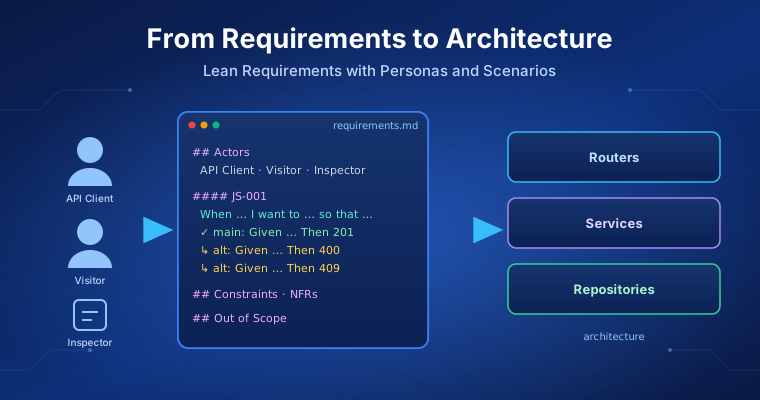
Requirements without the paperwork: actors, main and alternative scenarios, and acceptance criteria in one Markdown file that stays in sync with the code.
Continue Reading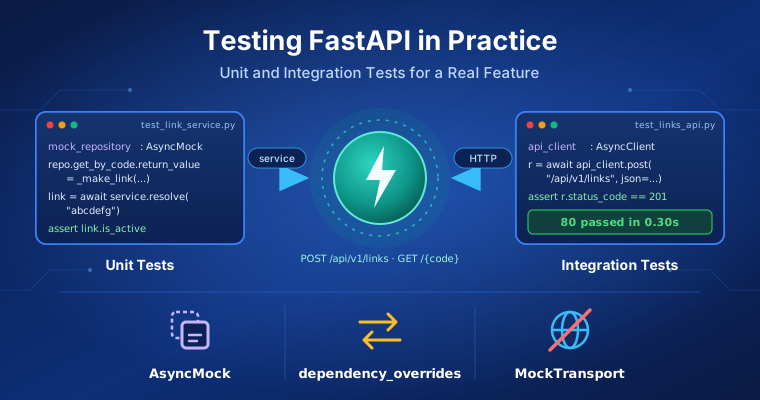
Unit and integration tests for a real FastAPI feature: main path first, then one test per rule, with AsyncMock, AsyncClient, and dependency overrides.
Continue Reading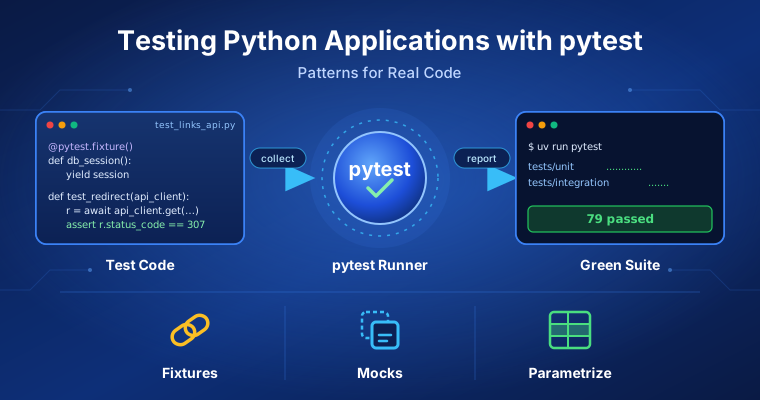
Unit, integration, and end-to-end tests, why pytest beats unittest, and how mocks, fixtures, setup, teardown, and test independence work in a FastAPI project.
Continue Reading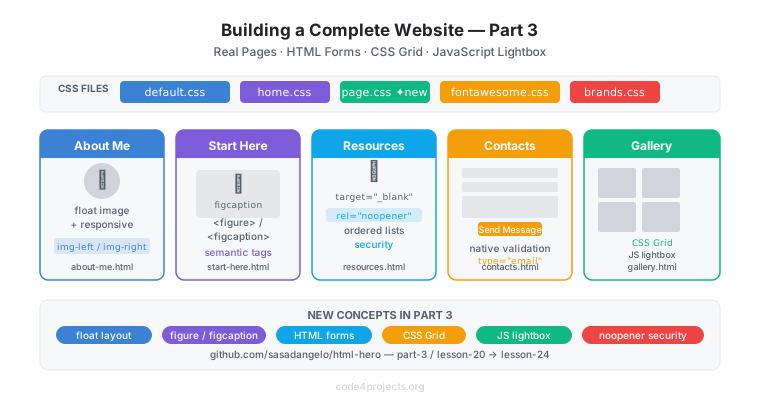
Build the real inner pages of your site — About Me, Start Here, Resources, a contact form, and an interactive photo gallery with CSS Grid and JavaScript.
Continue Reading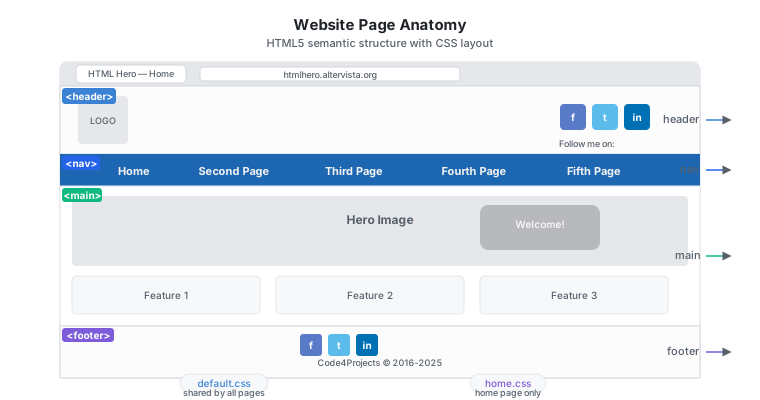
Turn your plain HTML site into a professional layout — styled header, footer, navigation bar, home page with hero image, and a mobile-friendly hamburger menu.
Continue Reading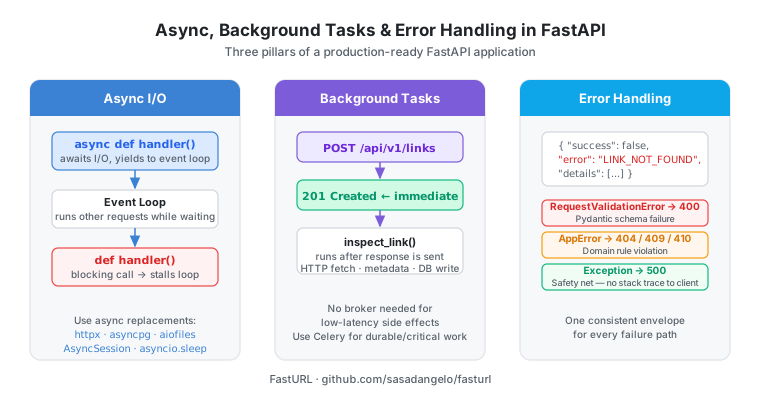
Async I/O, fire-and-forget background tasks, a shared httpx client, and three global exception handlers in FastAPI — grounded in the FastURL project.
Continue Reading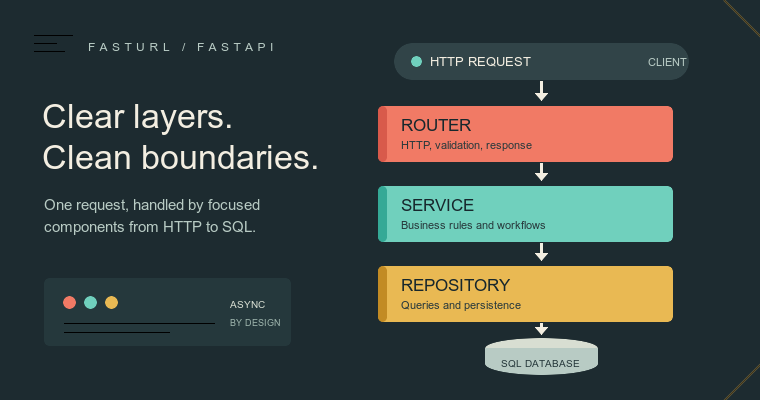
Learn how to structure a production-ready FastAPI project using a layered architecture: Routers, Services, Repositories, and Dependency Injection.
Continue Reading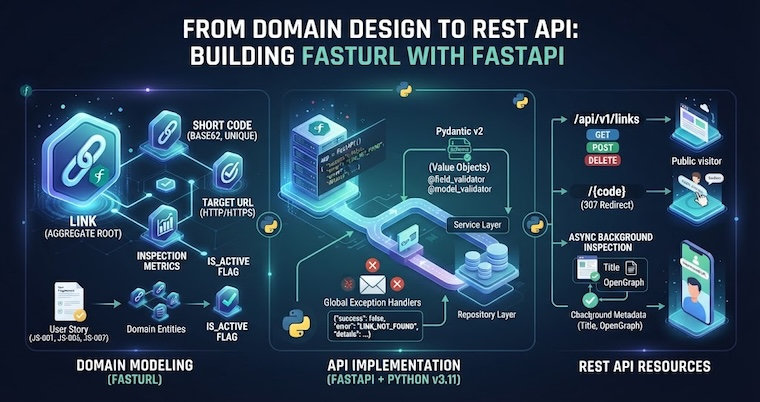
Learn how to turn requirements and a domain model into a clean REST API using FastAPI and Pydantic v2, using FastURL — a URL shortener — as a concrete case study.
Continue Reading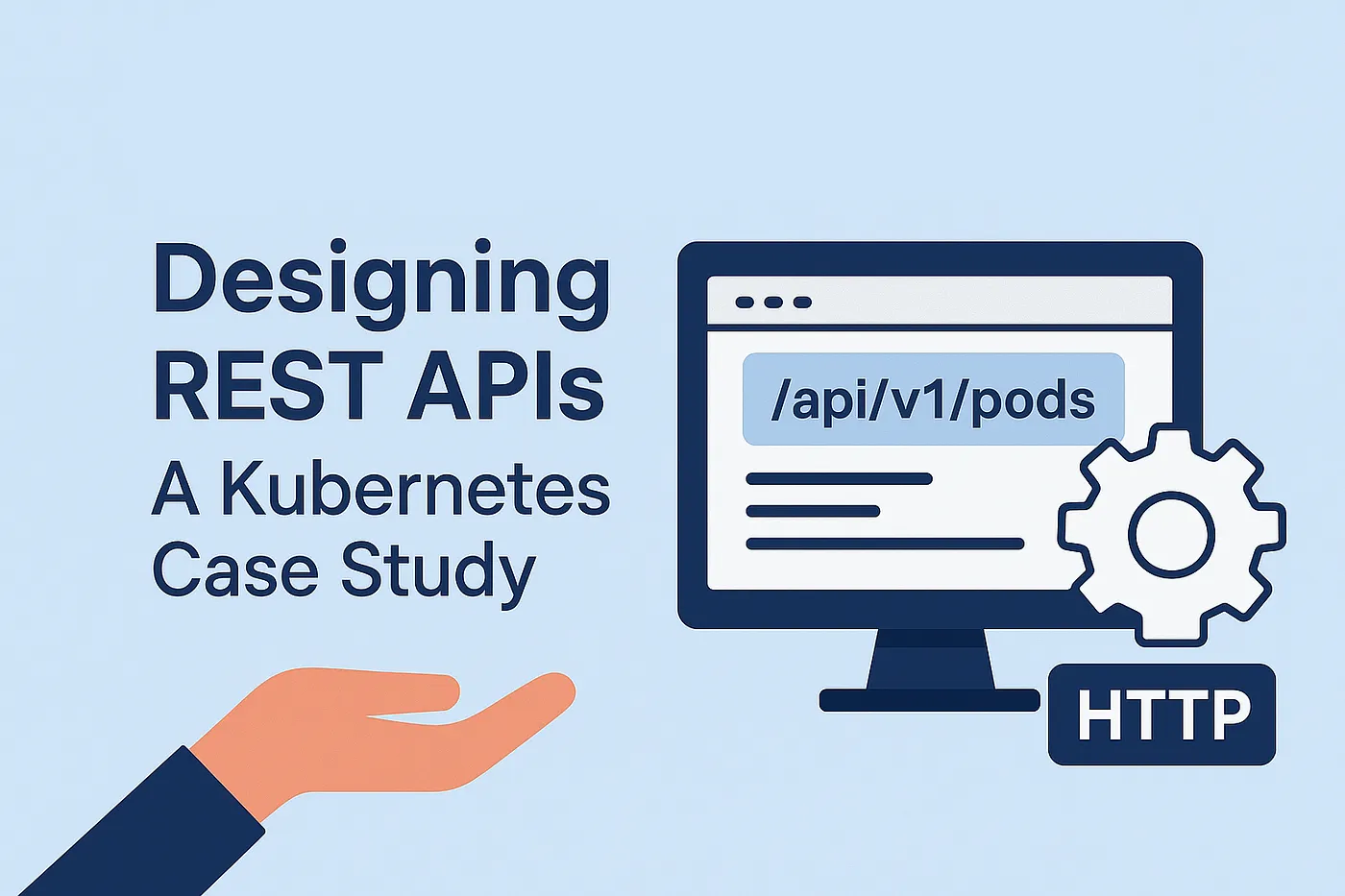
Learn how to design robust, domain-driven REST APIs using HTTP semantics and clean architecture principles, using Kubernetes as a practical case study.
Continue Reading
Build a real async news aggregator step by step — fetching RSS feeds concurrently with aiohttp, the same code used in the Alfred open-source project. Each section adds one asyncio pattern: gather, TaskGroup, timeout, Semaphore, and format_news.
Continue Reading
Master Python concurrency: understand when to use threads, processes, or asyncio — and why the event loop became the backbone of modern high-throughput applications.
Continue Reading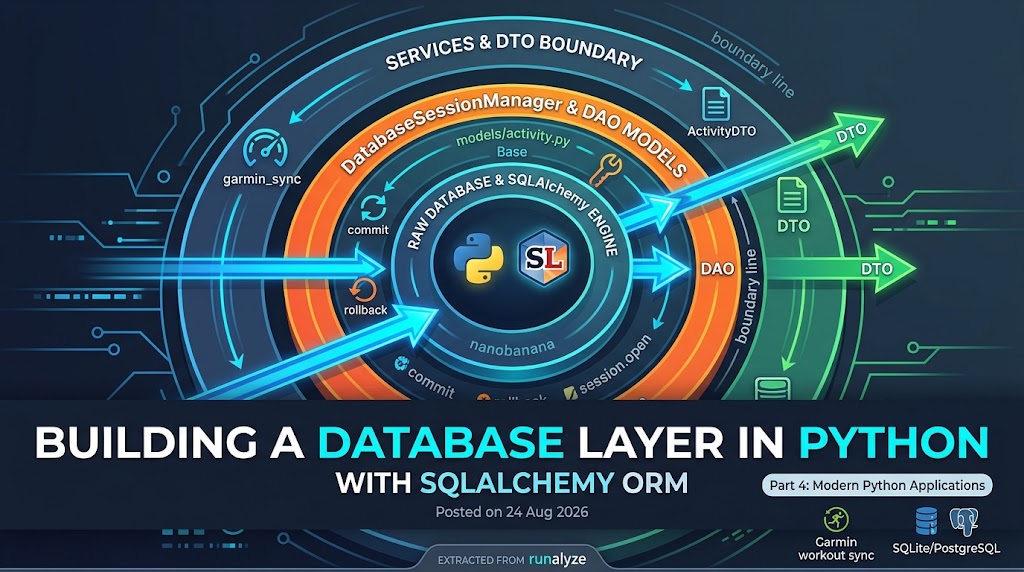
Learn how to build a clean, transactional database layer in Python using SQLAlchemy ORM, a DatabaseSessionManager, DAO models, and the DAO vs DTO boundary inside a layered architecture.
Continue Reading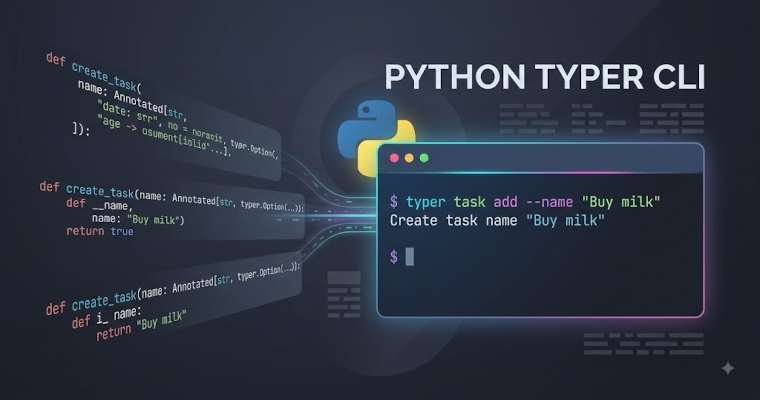
Typer brings Python type hints to CLI development — no decorators, no boilerplate, just annotated functions. See how it compares to argparse and Click on the same Task Manager CLI.
Continue Reading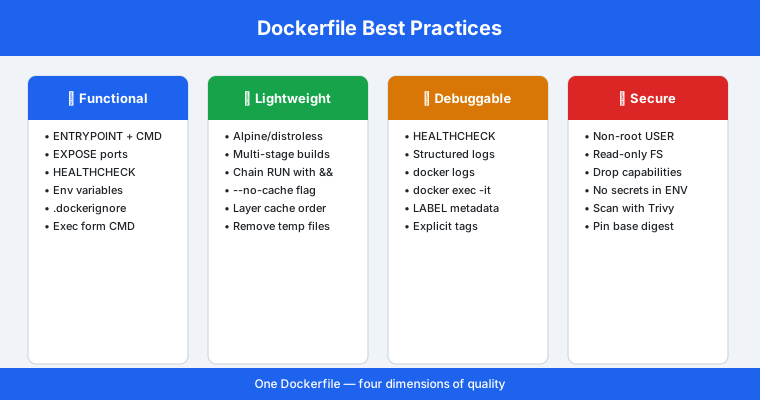
A practical checklist for writing Dockerfiles that produce functional, lightweight, debuggable, and secure images — multi-stage builds, layer ordering, healthchecks, and more.
Continue Reading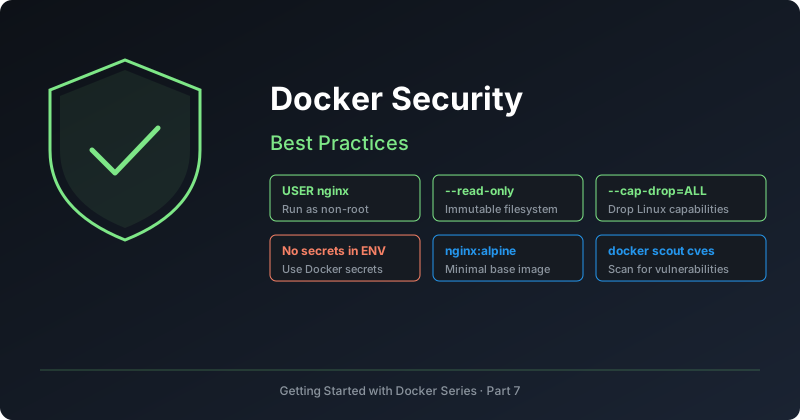
Learn how to run Docker containers securely — non-root users, read-only filesystems, capability limits, secret management, and image vulnerability scanning.
Continue Reading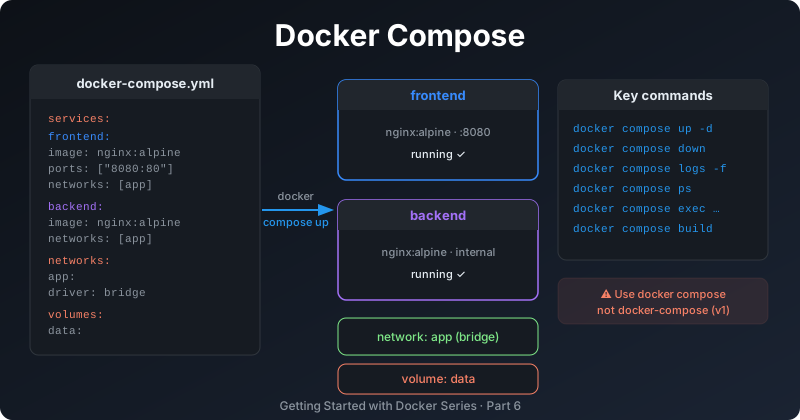
Learn how Docker Compose v2 works — define, build, and run multi-container applications with a single YAML file and a single command.
Continue Reading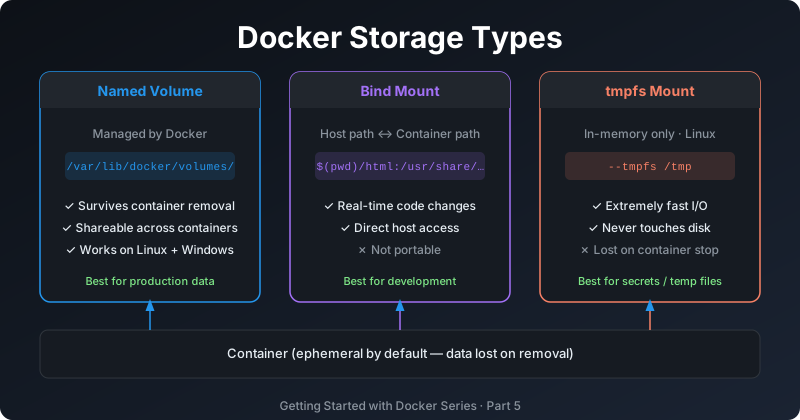
Learn the three Docker storage types — volumes, bind mounts, and tmpfs — and how to use them to persist data outside a container so it survives restarts and replacements.
Continue Reading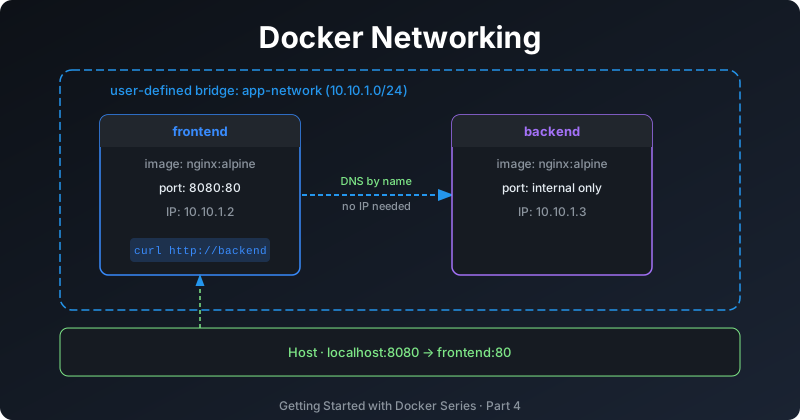
Learn how Docker networking works — bridge, host, overlay, and macvlan drivers — and how to connect containers so they can communicate over a private network.
Continue Reading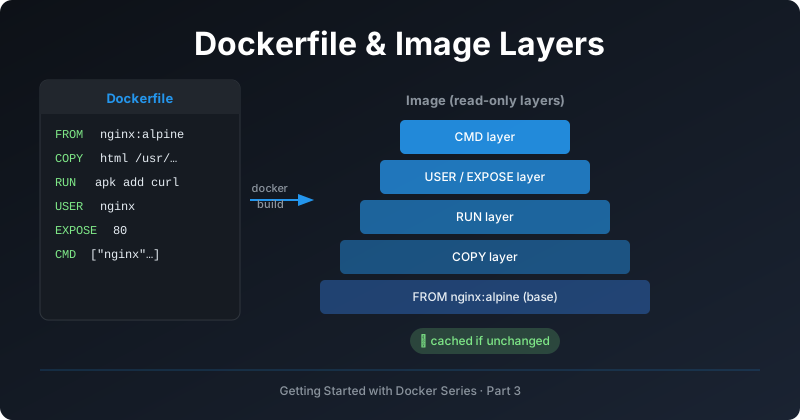
Learn how to write a Dockerfile, build a custom image, understand the layer cache, and serve your own web content with a custom Nginx container.
Continue Reading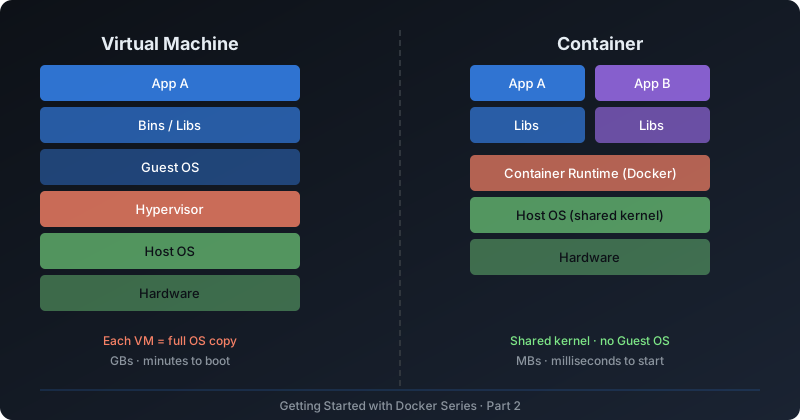
Understand the real differences between containers and virtual machines — how each one works under the hood, their pros and cons, and when to use which.
Continue Reading
Learn what Docker is, understand containers and images, and run your first containerized web server with Docker or Podman — no setup complexity required.
Continue Reading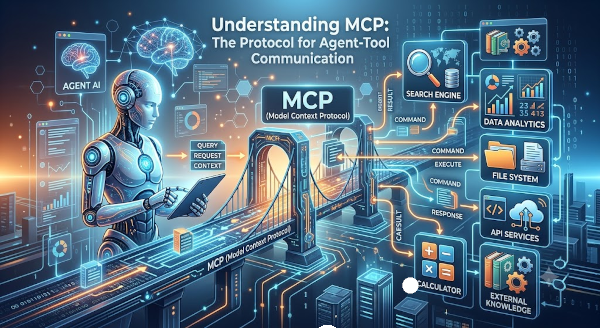
MCP is Anthropic's open protocol that standardizes how AI agents connect to tools, APIs, and resources — making any capability pluggable and interoperable across agent frameworks.
Continue Reading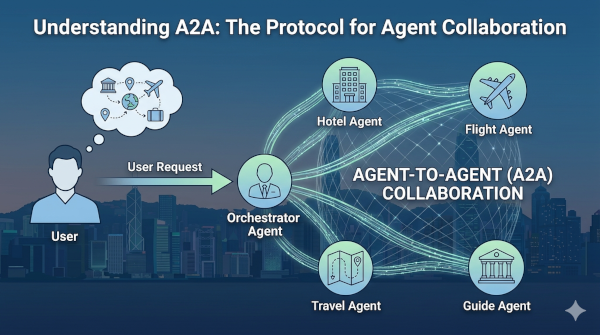
A2A is Google's protocol for agent collaboration, enabling discovery, communication, and coordination across independent AI agents in scalable multi-agent systems.
Continue Reading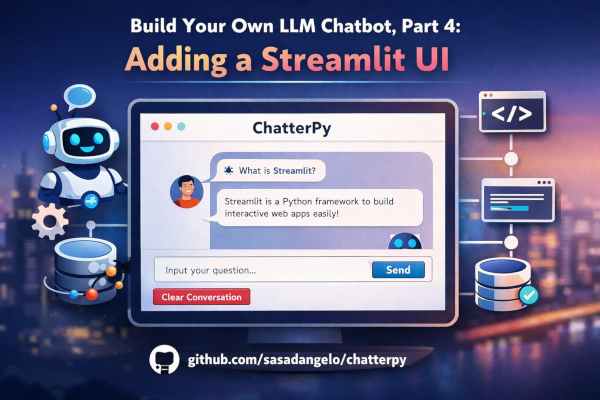
Add a Streamlit-based web UI to your LLM chatbot — session management, interactive chat window, and seamless integration with your existing LangChain backend.
Continue Reading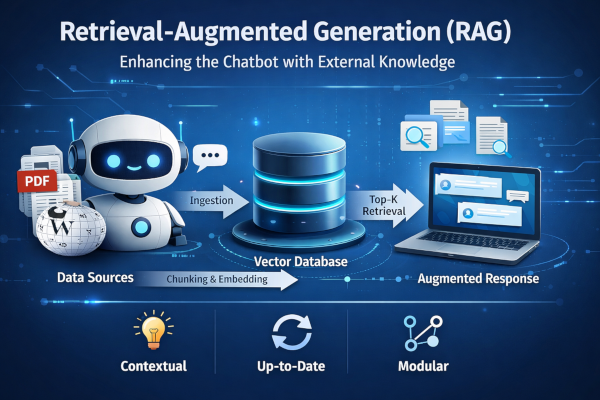
Add Retrieval-Augmented Generation (RAG) to your LLM chatbot — ingest PDFs and Wikipedia pages into a vector database and retrieve context dynamically.
Continue Reading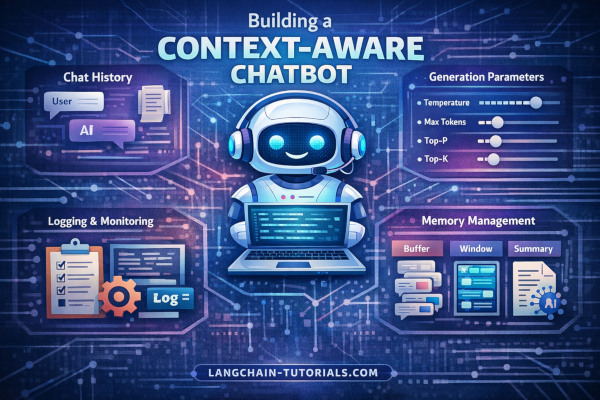
Learn how to build a context-aware LLM chatbot with Python and LangChain, managing conversation memory, generation parameters, and robust logging.
Continue Reading
Build a production-ready LLM chatbot with Python and LangChain. Step-by-step guide to scalable, configurable architecture for real-world applications.
Continue Reading
Learn how the Click library simplifies Python CLI development — cleaner commands, built-in type validation, and no shared execute() boilerplate.
Continue Reading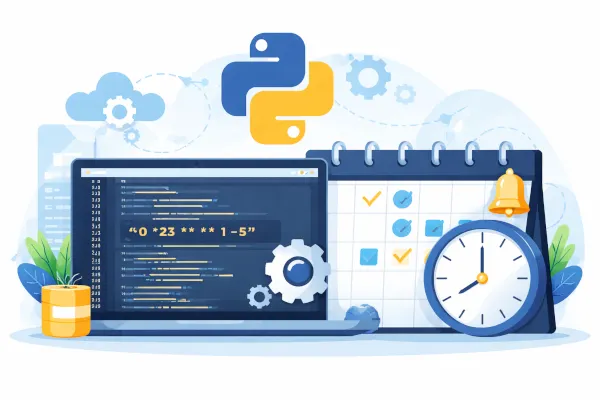
Learn how to build a generic, configurable cron job class in Python with APScheduler — run periodic tasks in the background with clean scheduling, logging, and error handling.
Continue Reading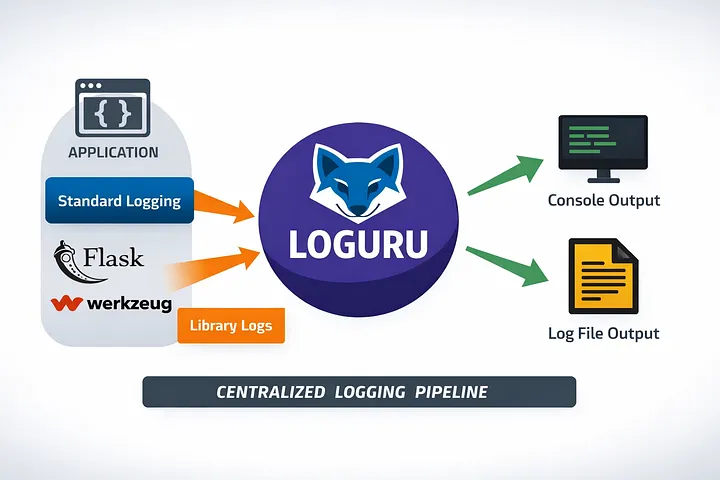
Learn how to centralize logging in a Flask application with Loguru, including stdout/file outputs and standard logging interception.
Continue Reading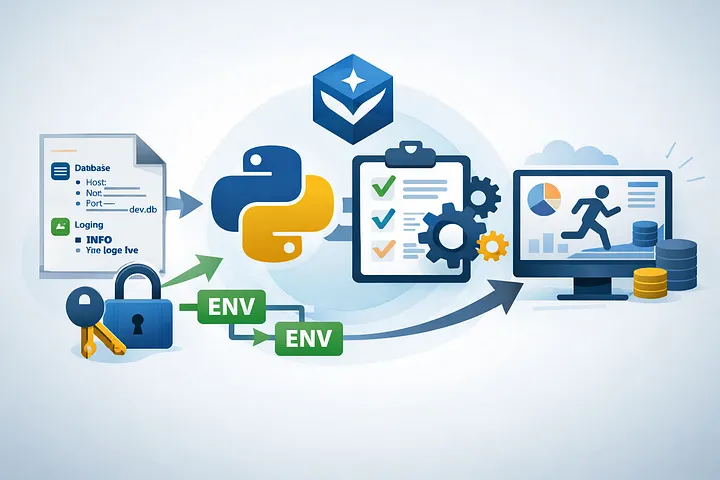
Learn how to manage Python application configuration using pydantic-settings, combining YAML files for non-secret parameters and environment variables for secrets.
Continue Reading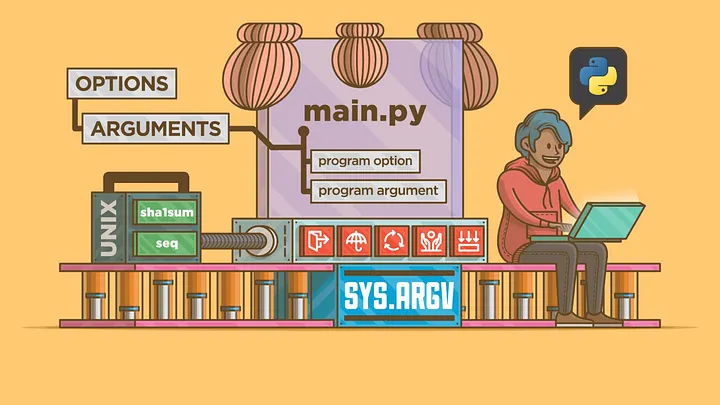
Learn how to design a clean, extensible Python CLI using argparse and the Command design pattern — each command as an isolated, testable class.
Continue Reading
A practical guide to setting up a professional Python project with the right tools for package management, code quality, testing, and version control.
Continue Reading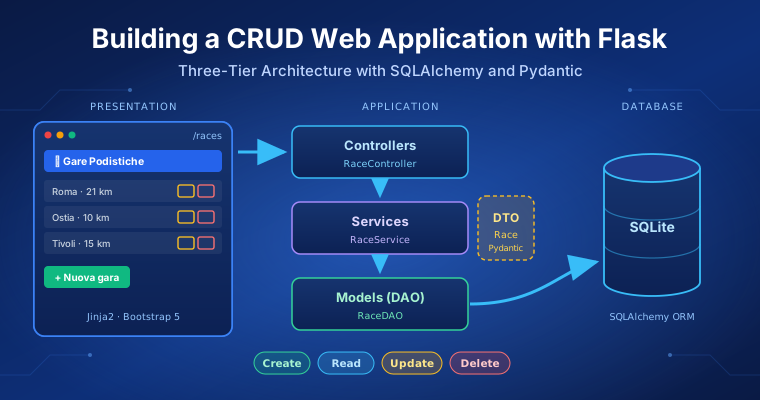
A complete CRUD web app in Flask: presentation, application, and database tiers, with controllers, services, Pydantic DTOs, and SQLAlchemy models.
Continue Reading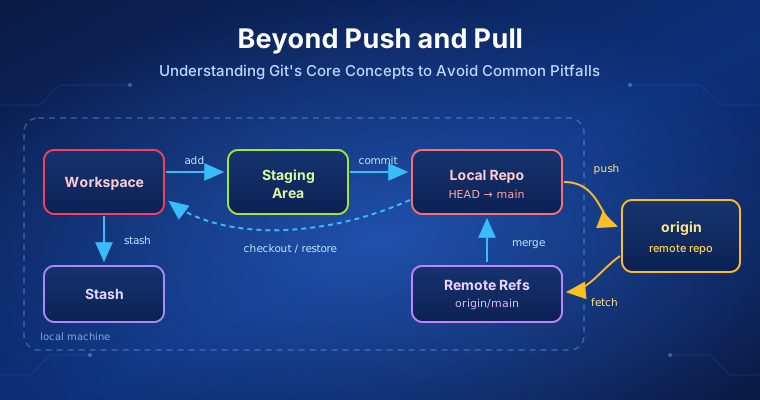
Git's core concepts explained: local vs remote, staging, stash, and HEAD, and how each command moves your changes between them.
Continue Reading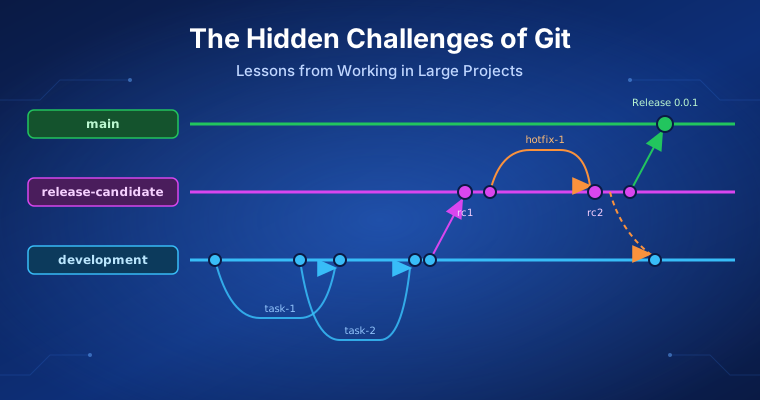
Git lessons from large projects: a branching strategy, task branches, release candidates, hotfixes, and when small teams can simplify.
Continue Reading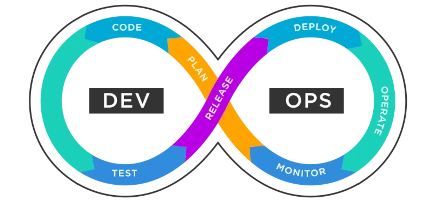
Bridging the gap between development and operations, DevOps revolutionizes software lifecycle management with unified teams and streamlined processes.
Continue Reading
Discover how Agile methodology revolutionizes project management by embracing flexibility and empowering teams to deliver continuous value. Explore the key principles, benefits, and best practices behind Agile's success in this comprehensive guide.
Continue Reading
Discover the top software development tools to take your coding game to the next level in 2023. From code editors to network analyzers, this article highlights the must-have tools for developers.
Continue Reading
Master the core CSS concepts — selectors, the box model, layout, typography, colours, animations, and responsive design — and apply them to a real website.
Continue Reading
Dive deeper into YAML with this comprehensive guide to advanced concepts. Learn tips and techniques to fully unlock its power and functionality.
Continue Reading
YAML, short for Yet Another Markup Language, is a popular data serialization format. This article will discuss its baasic concepts.
Continue Reading
This article lists the best programming languages to learn in 2023 for beginners and experienced developers.
Continue Reading
Learn HTML from scratch — build a real five-page website with headings, paragraphs, links, lists, and images, step by step.
Continue Reading
In this article, I would like to give you a brief introduction to Kubernetes and how to deploy applications on it.
Continue Reading
In this article, I would like to give you a brief introduction to Kubernetes and how to deploy applications on it.
Continue Reading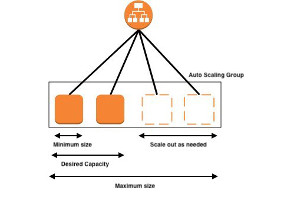
In this article, I'll show you how to create an EC2 Auto Scaling Group to automate the availability and scalability of your EC2 instances.
Continue Reading
In this article, I want to show you how to create your first AWS Elastic Load Balancer in the Amazon AWS platform.
Continue Reading
In this article, I talk about EC2 Availability and Scalability and how to increase them using AWS services like Load Balancers, Autoscalers, and DNS.
Continue Reading
In the previous article, I talked about Amazon Elastic Block Storage (EBS) service and this is a hands-on tutorial the will help you to learn how to use it.
Continue Reading
In this article, I am going to talk about Amazon Elastic Block Storage (EBS) and Elastic File Storage (EFS).
Continue Reading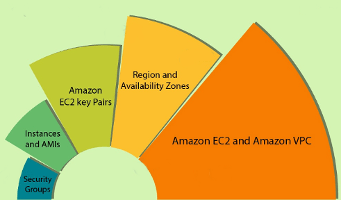
In this Amazon EC2 Tutorial, I will show you how to create an EC2 instance, attach an EBS volume to it, and secure it with Security Groups.
Continue Reading
The following article is an introduction to the Amazon Elastic Cloud Computing (EC2) service for beginners.
Continue Reading
After the AWS Introduction of the previous article, let's start exploring one of the main AWS components: AWS Identity and Access Management (IAM).
Continue Reading
In this article, I would like to give you a brief introduction to Kubernetes and how to deploy applications on it.
Continue Reading
In this article, I would like to give you a brief introduction to Kubernetes and how to deploy applications on it.
Continue Reading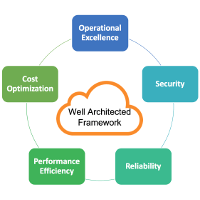
In this article, I would like to give you a brief introduction to Kubernetes and how to deploy applications on it.
Continue Reading
In this article, I would like to give you a brief introduction to Kubernetes and how to deploy applications on it.
Continue Reading
In this article, I am going to start my overview of the Amazon Integrated Services trying to explain my understanding of the following services: Lambda
Continue Reading
This article is an introduction to the Amazon Web Services (AWS) platform. Read it to have a platform and its core services overview.
Continue Reading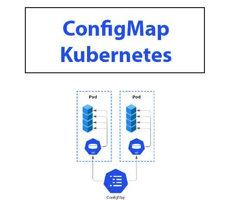
In this article, I would like to explain how to manage application configuration in Kubernetes with ConfigMaps.
Continue Reading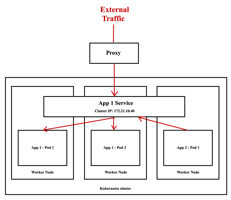
Do you want to understand the difference between Cluster IP vs NodePort vs LoadBalancer vs Ingress? Read the following article to learn more.
Continue Reading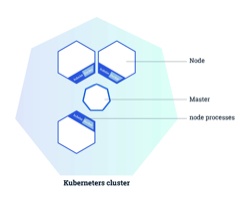
In this article, I want to explain how I run my applications on a Kubernetes cluster using a simple project I created based on Vagrant and VirtualBox.
Continue Reading
This is the twelfth article of the Android Game Programming series. Here, I would like to discuss how to manage user input on Android for our games.
Continue Reading
In this article, we will start to create our Game Framework. It will be used to write all our videogames.
Continue Reading
In this article, I would like to give you a brief introduction to Kubernetes and how to deploy applications on it.
Continue Reading
In this article, I would like to introduce to you the basic android graphics programming concepts to develop our video game.
Continue Reading
In this article, I want to explain what Bosh is, its main concepts, and how to use it practically to deploy software.
Continue Reading
In this article, I want to show how to deploy your first application on IBM Cloud.
Continue Reading
In this article, I would like to go into the details of Cloud Computing analyzing one of the most important platforms on the market: IBM Cloud.
Continue Reading
In this article, I would like to explore the essence of Cloud Computing, what it really is, and why the IT industry started to adopt it.
Continue Reading
This is the ninth article of the Android Game Programming series. In this article, I will discuss how to manage resources in Android. Resources Management.
Continue Reading
This is the eighth article of the Android Game Programming series. In this article, I will discuss how to manage files
Continue Reading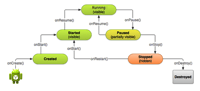
In this article, I will introduce a basic android programming concept, the activity lifecycle.
Continue Reading
This is the sixth article of the Android Game Programming series. Here, I would like to show you how to use Design Patterns in your first video.
Continue Reading
In this article I want to explain basic video game programming principles in order to help you to write your first Android video game.
Continue Reading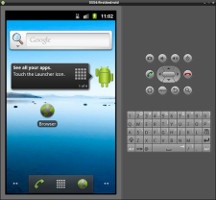
In this article, I will show you how to speed up Android Virtual Device in order to run your application simulation quickly.
Continue Reading
This is the second article of Android Game Development series. Here I explain, step by step, how to install and configure Android Studio.
Continue Reading
This is the third article of Android Game Development series. Here I would like to explain, step by step, how to create an Android application.
Continue Reading
This is the first article of the Android Game Programming series where I will show you how to write your first Android game: Droids a Tetris clone.
Continue Reading
In this article, I would like to show you how to transform your Raspberry Media Center in a Network Attached Server (NAS) and share your media files
Continue Reading
In this article, I would like to show you how to play Nintendo DS games with Retropie on your Raspberry Kodi Media Center.
Continue Reading
In this article, I would like to show you how to transform your Raspberry Kodi Media Center in a Retro Game platform.
Continue Reading
In this article, I would like to show you how to install a Youtube add-on on Kodi. This allows you to watch Youtube videos on your TV.
Continue Reading
In this article, I would like to show you how to turn your Kodi Media Center in a Torrent machine.
Continue Reading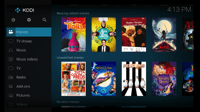
In this article I would like to show you, step by step, how to transform your Kodi Box in a Netflix-like platform.
Continue Reading
In this article I would like to show you, step by step, how to configure your Kodi Media Center.
Continue Reading
In this article, I would like to show you how to build your own Raspberry Media Center using Raspberry, an HDD and an enclosure.
Continue Reading