Tag Archives: #programming
Master Python concurrency: understand when to use threads, processes, or asyncio — and why the event loop became the backbone of modern high-throughput applications.
Continue Reading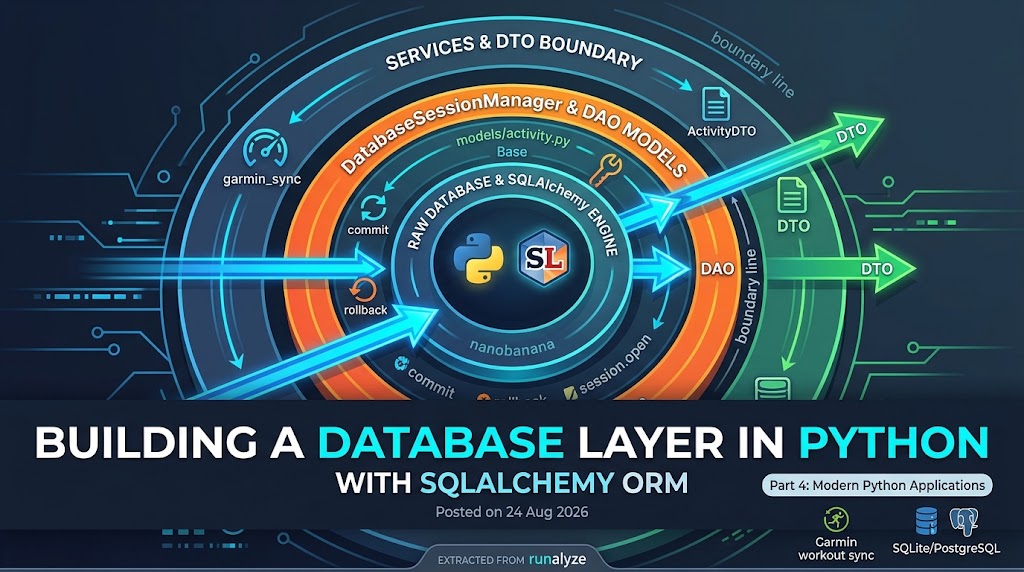
Learn how to build a clean, transactional database layer in Python using SQLAlchemy ORM, a DatabaseSessionManager, DAO models, and the DAO vs DTO boundary inside a layered architecture.
Continue Reading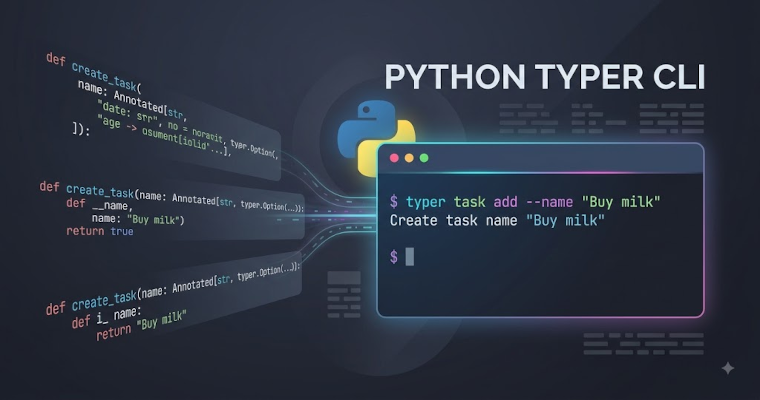
Typer brings Python type hints to CLI development — no decorators, no boilerplate, just annotated functions. See how it compares to argparse and Click on the same Task Manager CLI.
Continue Reading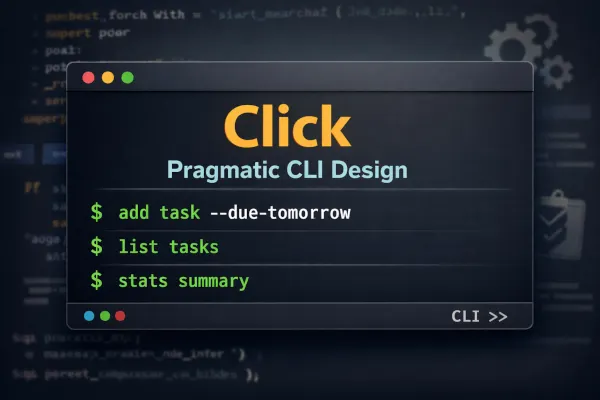
Learn how the Click library simplifies Python CLI development — cleaner commands, built-in type validation, and no shared execute() boilerplate.
Continue Reading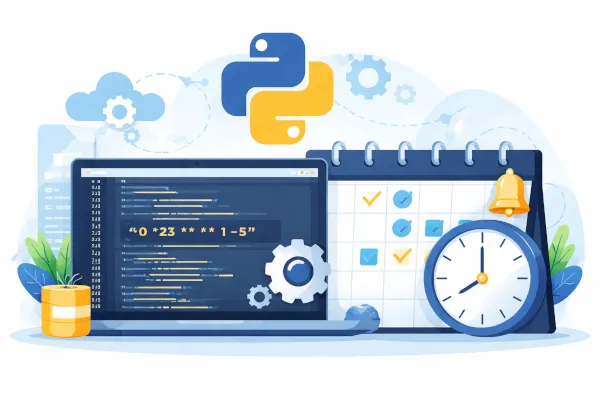
Learn how to build a generic, configurable cron job class in Python with APScheduler — run periodic tasks in the background with clean scheduling, logging, and error handling.
Continue Reading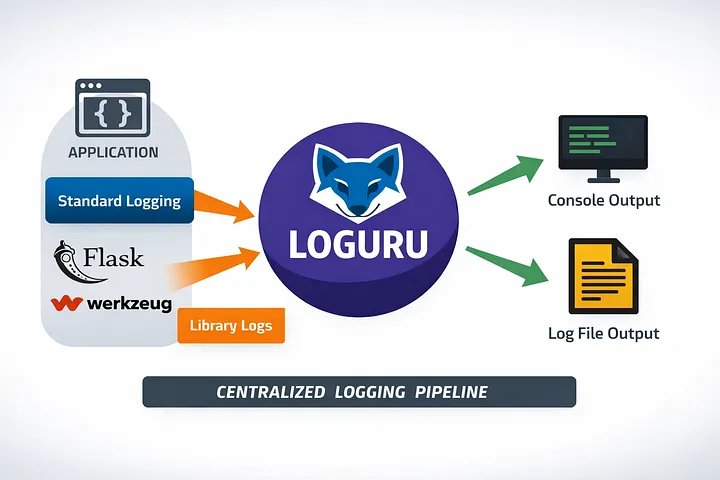
Learn how to centralize logging in a Flask application with Loguru, including stdout/file outputs and standard logging interception.
Continue Reading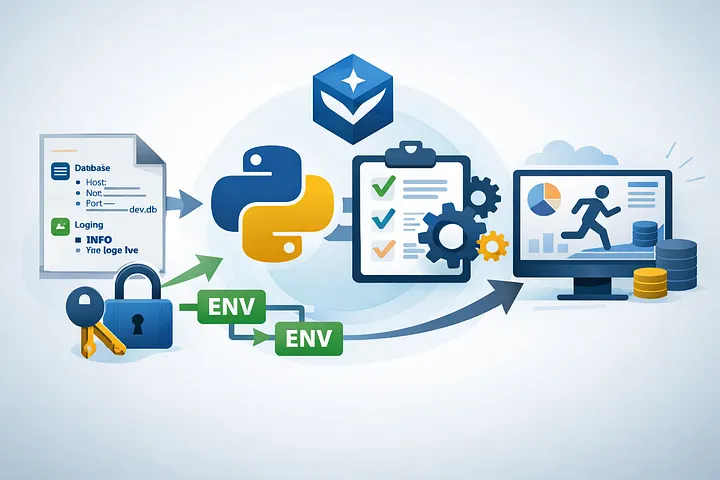
Learn how to manage Python application configuration using pydantic-settings, combining YAML files for non-secret parameters and environment variables for secrets.
Continue Reading